















IACUC Protocols for Rodent Research: What to Include and How to Prepare
IACUC Protocols for Rodent Research: What to Include and How to Prepare
TL;DR
An IACUC protocol describes proposed animal work so the institution can evaluate it before covered activities begin. A useful rodent protocol connects the research question, animal numbers, procedures, and care in one consistent account. Use your institution’s current form...
Continue Reading


RFID Microchips for Mice and Rats: A Guide to Rodent Identification
RFID Microchips for Mice and Rats: A Guide to Rodent Identification
TL;DR
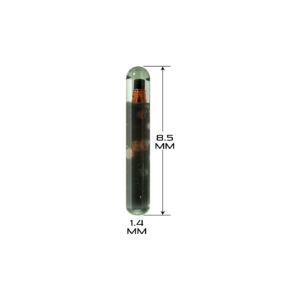
RFID microchips give research mice and rats an electronic identifier that a compatible reader can retrieve. They are worth considering when the same animal moves through repeated procedures, measurements, or staff handoffs. Their usefulness depends on how reliably the scan...
Continue Reading

Laboratory Animal Management: Building Better Rodent Research Workflows
Laboratory Animal Management: Building Better Rodent Research Workflows
TL;DR
Laboratory animal management connects daily care with the people, procedures, and records that support a study. For mice and rats, the practical goal is continuity: the approved plan should remain clear as an animal moves from housing through a procedure and recovery. Reliable...
Continue Reading
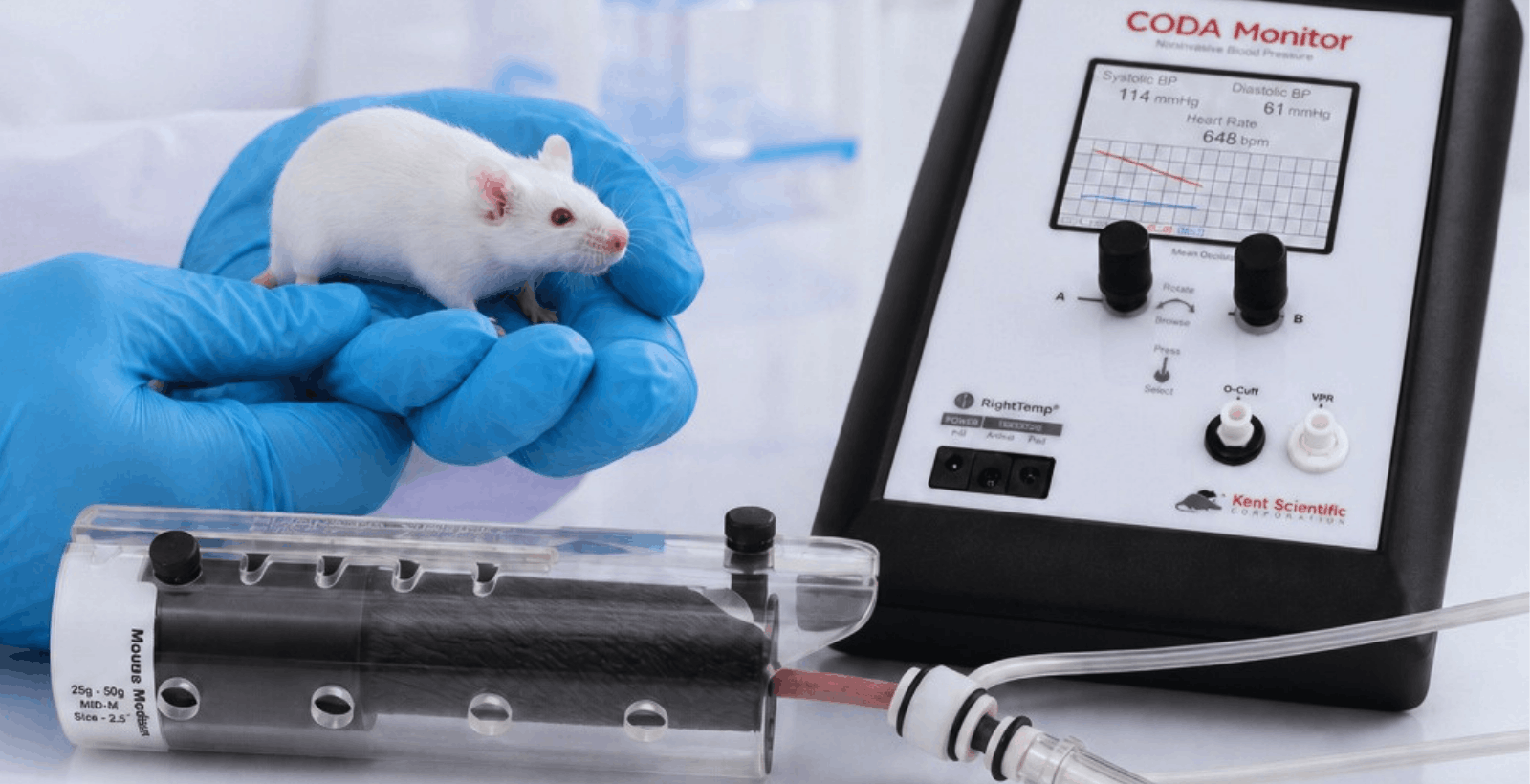
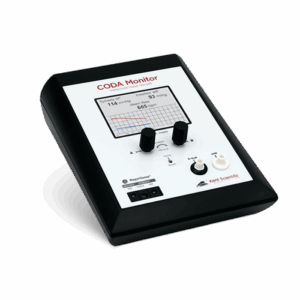
CODA vs. Other Rodent Blood Pressure Systems: How to Compare Tail-Cuff Options
CODA vs. Other Rodent Blood Pressure Systems: How to Compare Tail-Cuff Options
TL;DR
The closest alternatives to the CODA® High Throughput System are the Hatteras MC4000, Visitech BP-2000, and IITC MRBP because each supports multi-animal, non-invasive tail-cuff blood pressure measurement in mice and rats. Panlab can accommodate multiple restrained animals, but its measurements...
Continue Reading

Rat as a Model Organism: Advantages, Limitations, and When to Use Rats in Research
Rat as a Model Organism: Advantages, Limitations, and When to Use Rats in Research
TL;DR Why are rats used as model organisms?
Rats are used as model organisms because their physiology, behavior, body size, and well-characterized genetics make them useful for studying complex biological systems and human disease. Compared with mice, their...
Continue Reading
Tail-Cuff vs. Telemetry: How to Choose Based on Study Design
Tail-Cuff vs. Telemetry: How to Choose Based on Study Design
TL;DR
Choose tail-cuff when your study needs scheduled blood pressure measurements across multiple mice or rats without surgical implantation. Choose telemetry when continuous, beat-to-beat, circadian, or freely moving measurements are essential to the hypothesis. Neither method is universally better. The right choice...
Continue Reading
How to Reduce Waste Anesthetic Gas in Rodent Workflows
How to Reduce Waste Anesthetic Gas in Rodent Workflows
TL;DR
To reduce waste anesthetic gas in rodent workflows, start at the source: use an appropriate fresh gas flow for the animal and procedure, connect and maintain an effective scavenging system, check the anesthesia circuit for leaks, limit gas release during induction and...
Continue Reading

Guide to Green Anesthesia in Research Labs
Guide to Green Anesthesia in Research Labs
Practical ways to reduce waste gas, cost, and environmental impact in rodent workflows
TL;DR
Green anesthesia in research labs is about reducing avoidable waste while still delivering appropriate anesthesia for the animal and procedure. In rodent workflows, that usually starts with flow rate, waste anesthetic gas...
Continue Reading
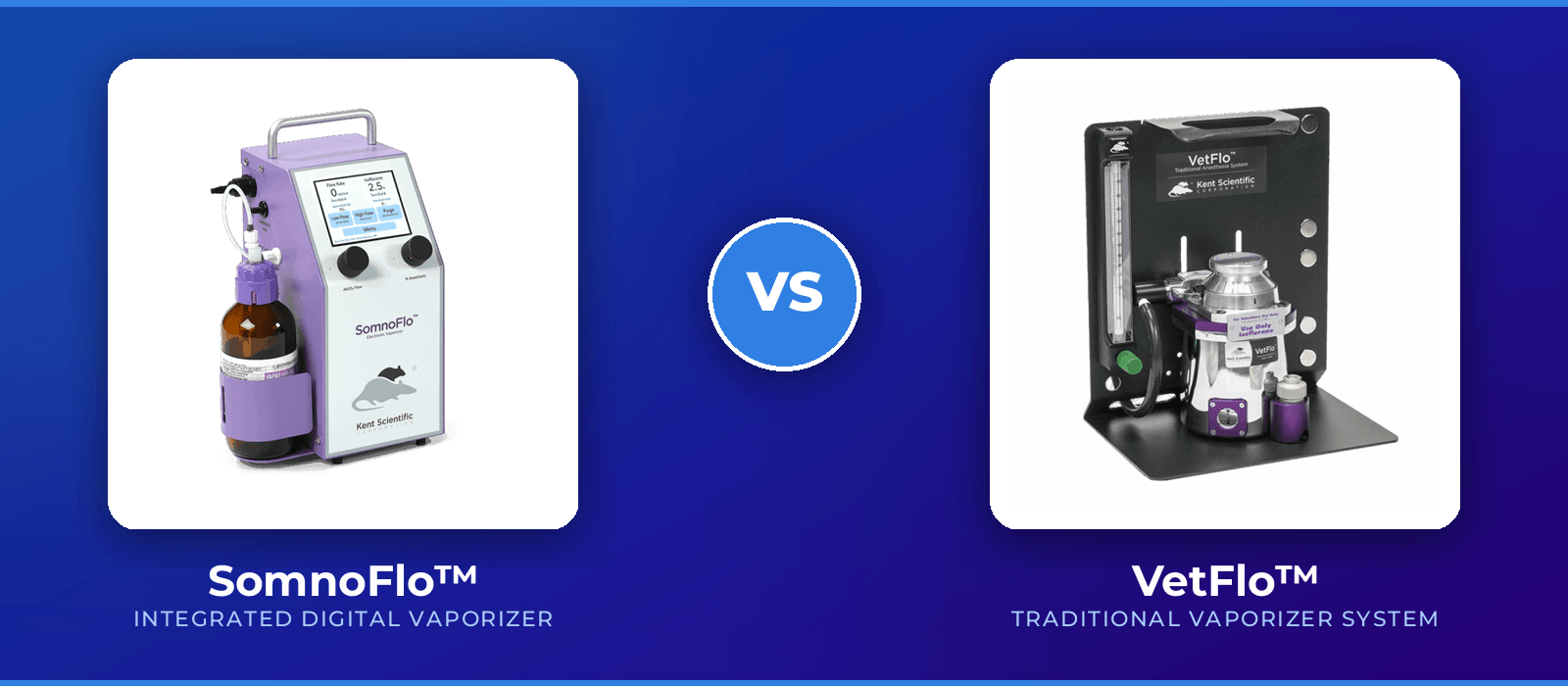
Traditional vs. Integrated Digital: How to choose Anesthetic Vaporizers
Traditional vs. Integrated Digital: How to choose Anesthetic Vaporizers
Why Size-Appropriate Anesthesia Matters for Animal Safety
TL;DR:
Traditional vaporizers are familiar and widely used, but they are often run at flow rates above what mice and rats need. Integrated digital anesthetic vaporizers are designed to make small animal anesthesia more size-appropriate, with lower...
Continue Reading
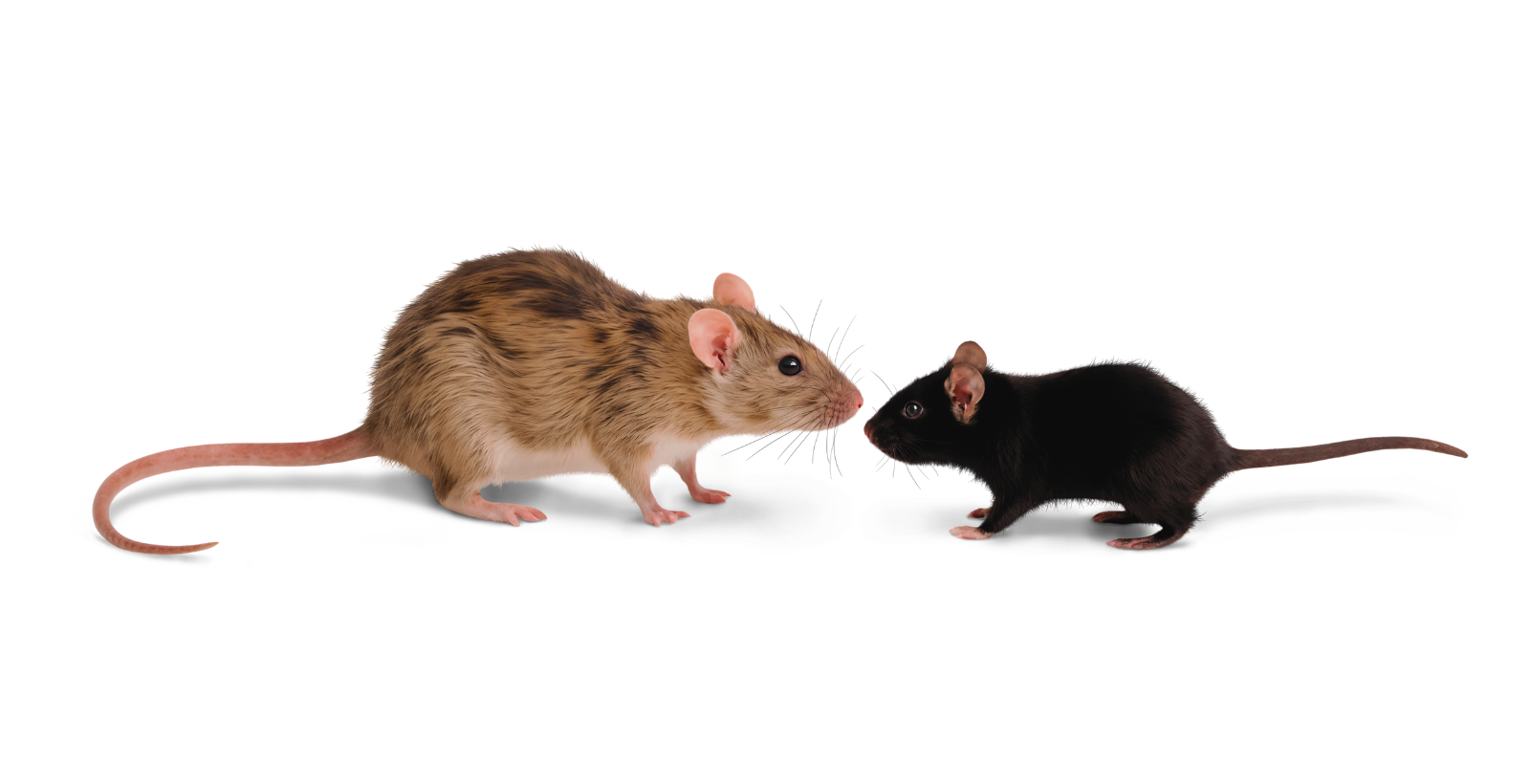
Research Workflows: What to Consider When Choosing Between Rats and Mice?
Research Workflows: What to Consider When Choosing Between Rats and Mice?
TL;DR
Labs choose between rats and mice based on the study question, not convenience alone. Mice often fit genetic or high-throughput work. Rats often fit workflows that need larger body size, easier surgical access, richer behavioral testing, or repeated sampling. The...
Continue Reading

Guide to Waste Anesthesia Gas Leakage and Compliance
Guide to Waste Anesthesia Gas Leakage and Compliance
What your research lab should check before your next anesthesia audit
TL;DR
Waste anesthetic gas problems rarely start with one dramatic failure. They often come from small leaks, worn tubing, loose fittings, saturated scavenging, inconsistent setup, and incomplete documentation. For labs using traditional vaporizers, service...
Continue Reading

Building a Preclinical Procedure Station: Anesthesia, Oxygen, Monitoring, and Surgical Tools
Building a Preclinical Procedure Station
What labs need for anesthesia, oxygen, monitoring, and surgery
TL;DR
A good preclinical procedure station is built around the procedure, species, endpoint, and user workflow. Start with anesthesia delivery and oxygen strategy, then plan respiratory support, monitoring, surgical tools, warming, recovery, documentation, and training. The goal is a...
Continue Reading
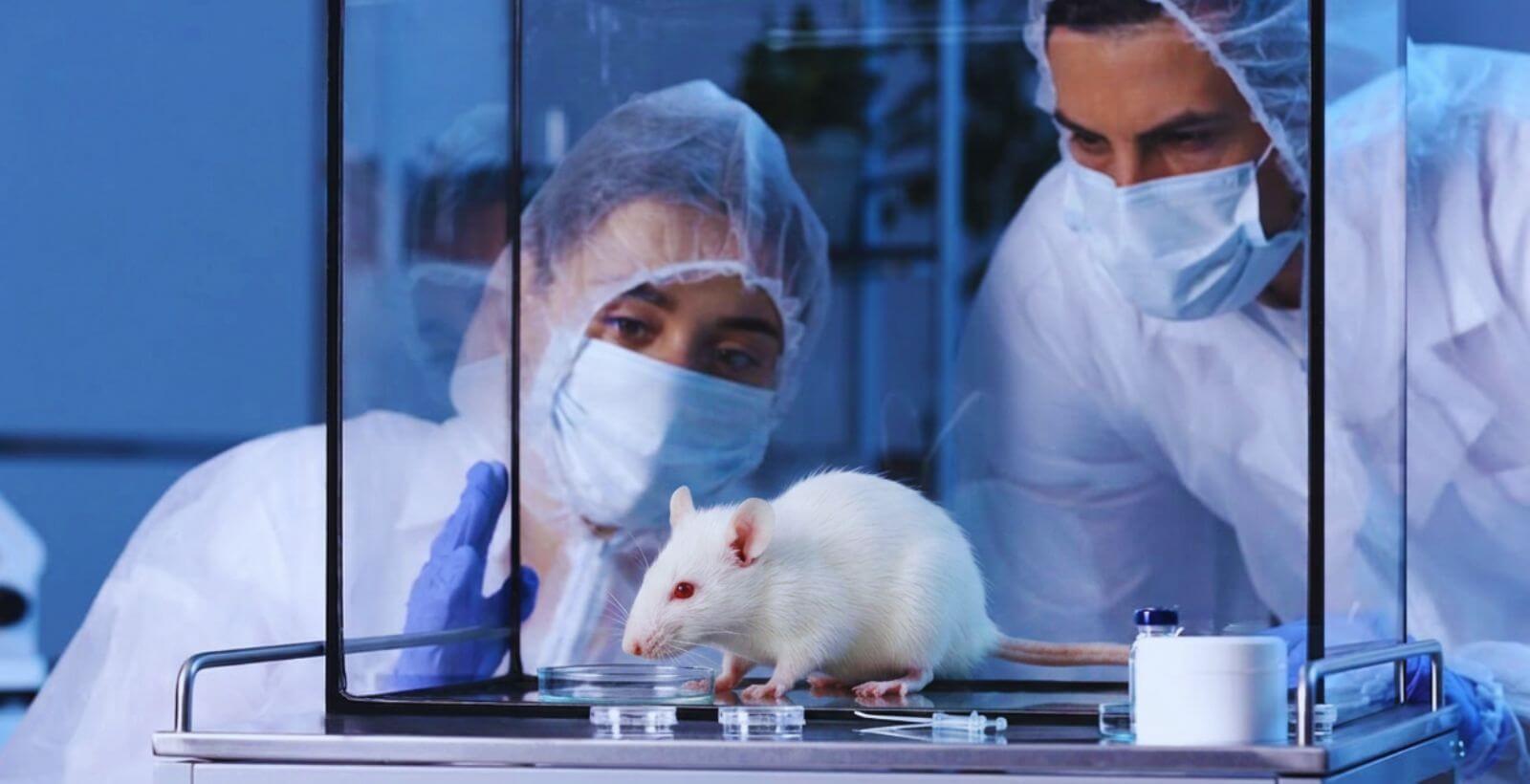
Waste Anesthetic Gas’ Impacts on the Environment
Waste Anesthetic Gas’ Impacts on the Environment
How your lab can dramatically improve its carbon footprint
TL;DR
In this article, we dig into waste anesthetic gas’ impact on the environment. If you run mouse anesthesia at 1–1.5 L/min, most of what you deliver isn’t being used by the animal. It’s going to scavenging—or...
Continue Reading
How to Choose an Animal Anesthesia System
How to Choose an Animal Anesthesia System
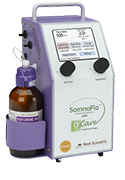
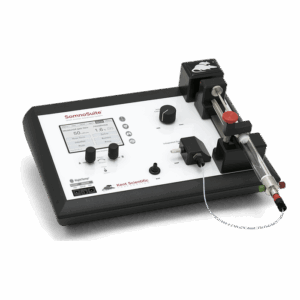
Comparing SomnoSuite® vs SomnoFlo® vs SomnoFlo® O2Care
TL;DR
Understanding how to choose an animal anesthesia system is really choosing a workflow. This post walks through the common mouse and rat research scenarios that drive equipment decisions, the factors that actually determine success (procedure...
Continue Reading
The True Cost of Rodent Anesthesia
The True Cost of Rodent Anesthesia: Isoflurane, Oxygen, Calibration, and 10-Year Total Cost
A 10-year view of agent, oxygen, calibration, and downtime
TL;DR
Most anesthesia “cost” is operating cost. In this article, we summarize our newest whitepaper, including how using lower flow rates can extend the same bottle of isoflurane from 27 hours...
Continue Reading
Anesthesia-Induced Hypothermia in Mice
Anesthesia-Induced Hypothermia in Mice
Risks, Prevention, and Warming Workflows
TL;DR Mice cool quickly under anesthesia. Once core temperature drops, heart rate and recovery often slow down, and surgical risk can rise. The fix is not complicated, but it has to be consistent: warming during induction, through the procedure, and into recovery—plus temperature...
Continue Reading

Know Your Curves: Mouse & Rat Anesthesia Depth, Oxygen Strategy, and the Hemoglobin Curve
Know Your Curves: Mouse & Rat Anesthesia Depth, Oxygen Strategy, and the Hemoglobin Curve
TL;DR: Rodent hemoglobin holds oxygen differently than human hemoglobin. Physiology data suggest the P50 (50% saturation) is higher in rats and mice than in humans (human 25 mmHg; rat 38 mmHg; mouse 41.5 mmHg at pH 7.4...
Continue Reading

Lab Mice: Strains, Handling, Housing, and Procedure Basics for Better Data
Lab Mice: A Practical Guide to Strains, Handling, Housing, and Procedures
TL;DR: Lab mice are powerful models, but they’re sensitive to stress, temperature drift, and inconsistent procedures. Stable handling + consistent environment + controlled anesthesia/recovery reduces variability and supports the 3Rs.
Quick answer: what are “lab mice”?
Lab mice are mice bred and...
Continue Reading
The Preclinical Research Lifecycle
The Preclinical Research Lifecycle
A practical, stage-by-stage guide to what happens, what changes in vivo, and how to keep your data honest
Preclinical research doesn’t fail because teams don’t care.
It fails because biology is noisy, timelines are real, and the “small” variables—handling, temperature drift, oxygen strategy, recovery conditions—become part of the experiment.
We...
Continue Reading

Our Top Sources for Latest Scientific News
Our Top Sources for the Latest Scientific News
If you work in science (or anywhere near it), you don’t need “news.” You need signal: credible reporting, enough context to know what matters, and a clean way to keep up without turning your brain into soup.
And in an age where clicks are...
Continue Reading